Safer Transits
'Reclaiming Safer Spaces for Women and Girls in Chennai' was launched on March 8th, 2017. This was the first initiative as part of our long-term project #NoMoreNirbhaya where we hope to create safer public spaces for women.
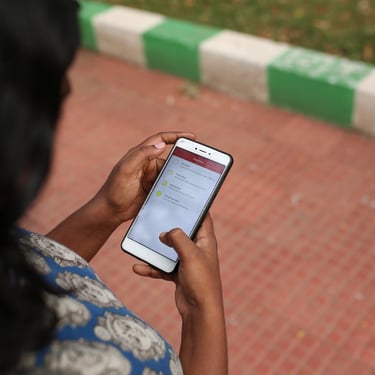
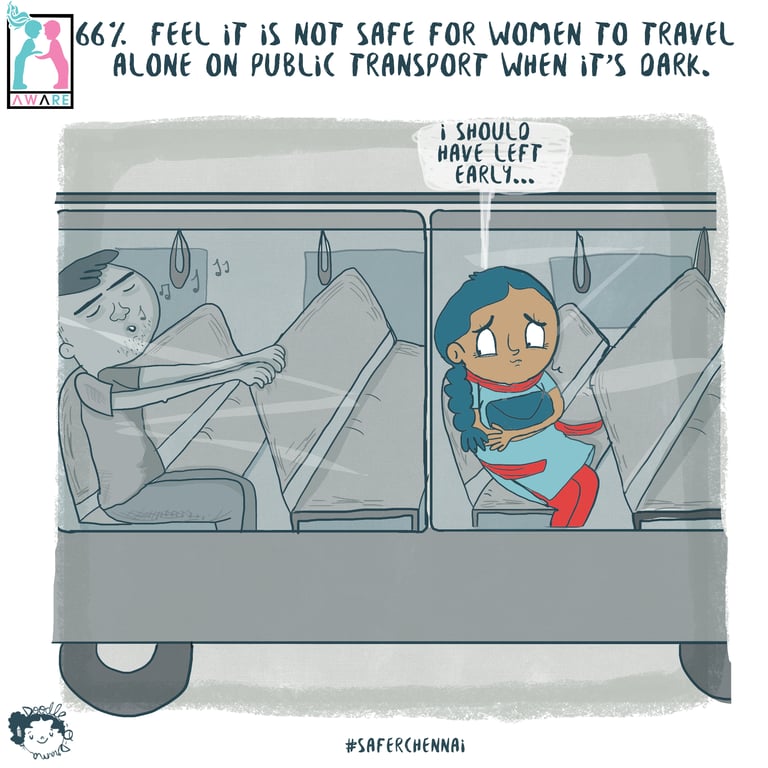
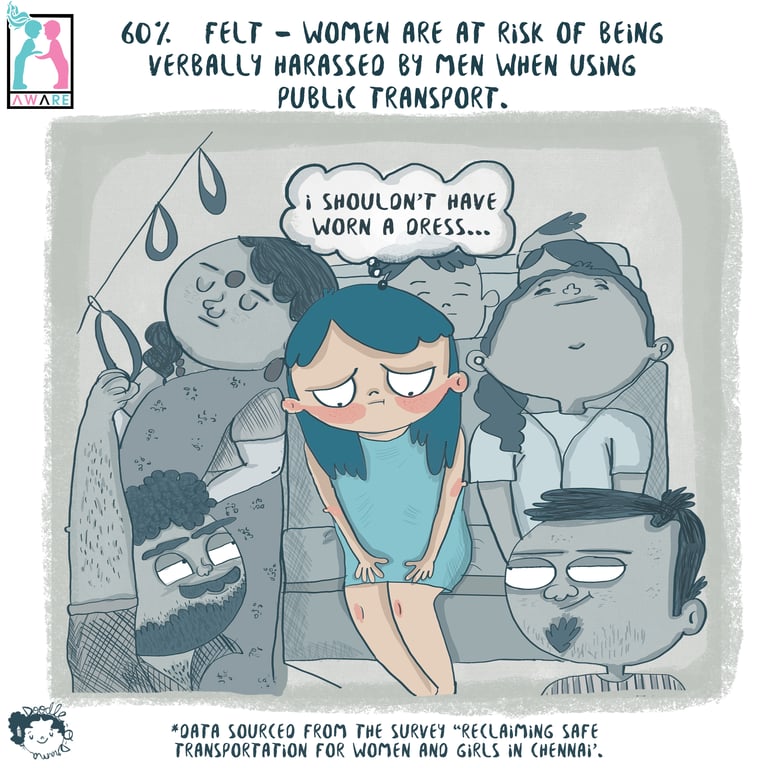
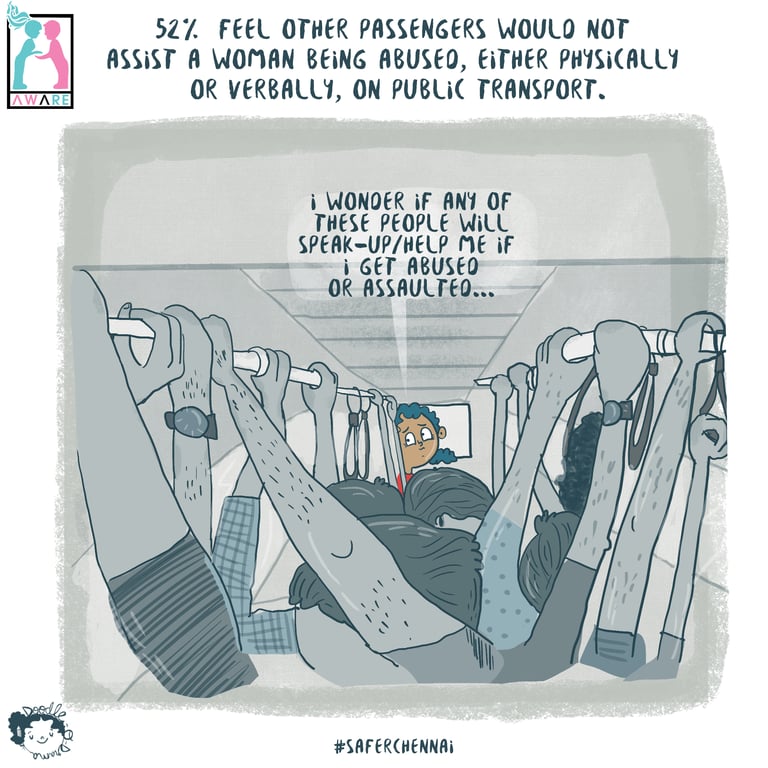
Following the survey with community audits towards Safer Chennai in creating safe public spaces, another survey was released on 9th May 2017 encouraging residents of Chennai to participate and voice their opinion about traveling in Chennai. The survey included mainly three areas- general opinion about safety of public transportation in Chennai, their personal travel choices and experiences; and specific questions related to sexual assault.
Among the 1,400 online respondents, 64% were female and 36% male; and about 90% were between the ages of 18 and 35
Methodology
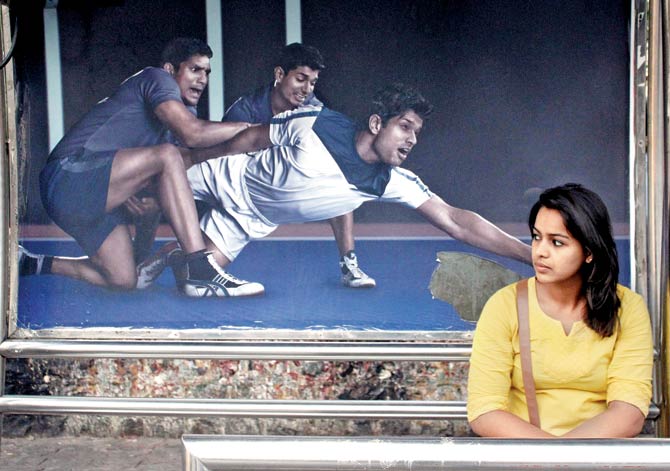
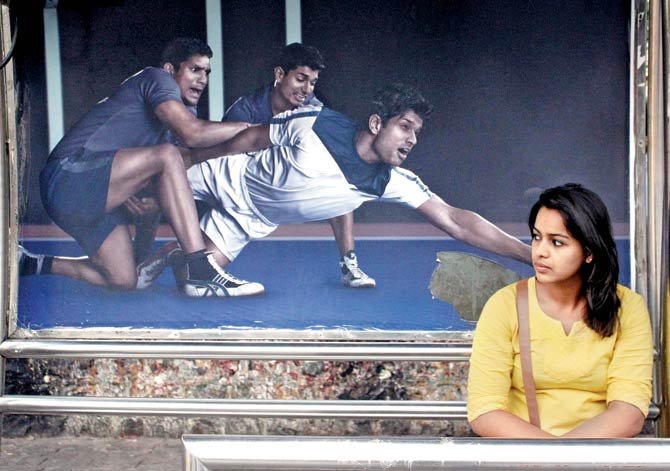
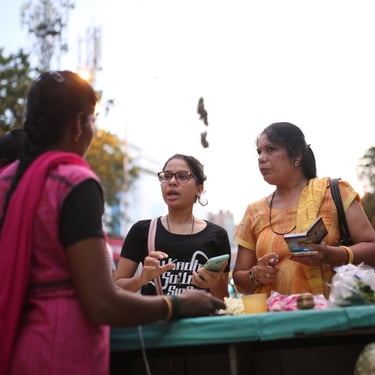
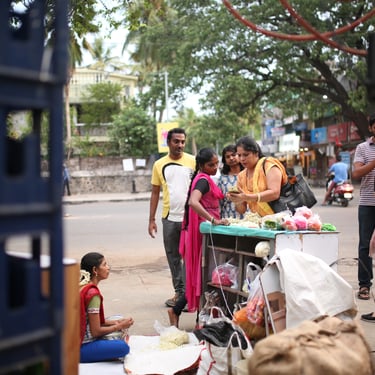
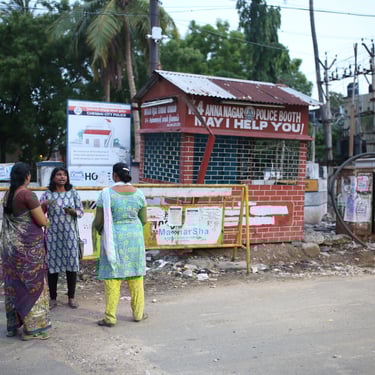
Around 30 volunteers surveyed commuters using public transport, both bus and train, in Velachery, Thiruvanmiyur, Guindy Industrial Estate and Koyambedu. They also took their survey to public places such as the Marina beach and Anna Nagar Tower Park. While 1,400 residents responded online, 400 were surveyed on-site.
Survey Results
By sharing the survey data with these stakeholders in the transport sector, we intend to start discussions about incorporating features in various modes of transport, that display a sensitivity to problems faced by women. These features could include women-only buses or creating systems to ensure safety of women in overcrowd buses.
This data will benefit different stakeholders that include Metropolitan Transport Corporation (MTC) staff, share auto unions, Ola/Uber representatives, Metro Rail staff, corporates and even NGOs.

Reclaiming Safe Transportation
A data gathered from a 45-day survey to open the eyes of various stakeholders in the city’s public transport to the question of safety. We have collaborated with Mounica Tata of DoodleODrama to illustrate this data and send the report with authorities

Response to the Survey Results
In response to the survey findings and recommendations received, we had focused group discussions with respondents to co-design initiatives that are targeted towards specific stakeholder to improve safe spaces
DEIA Commitment
Terms & Conditions
Privacy Policy
©2026 AWARE India Trust
Safeguarding State
Nonprofit Disclosures
Compliments & Complaints Policy
Contacts
+91-812-221-4688
mail@aware.org.in
Address
Reg. Office - No:32/22, Amarar Jeeva Street, Tambaram Sanatorium, Chennai - 600 047